Best Satnav For Motorcycle Explained: A UK Buyer's Guide
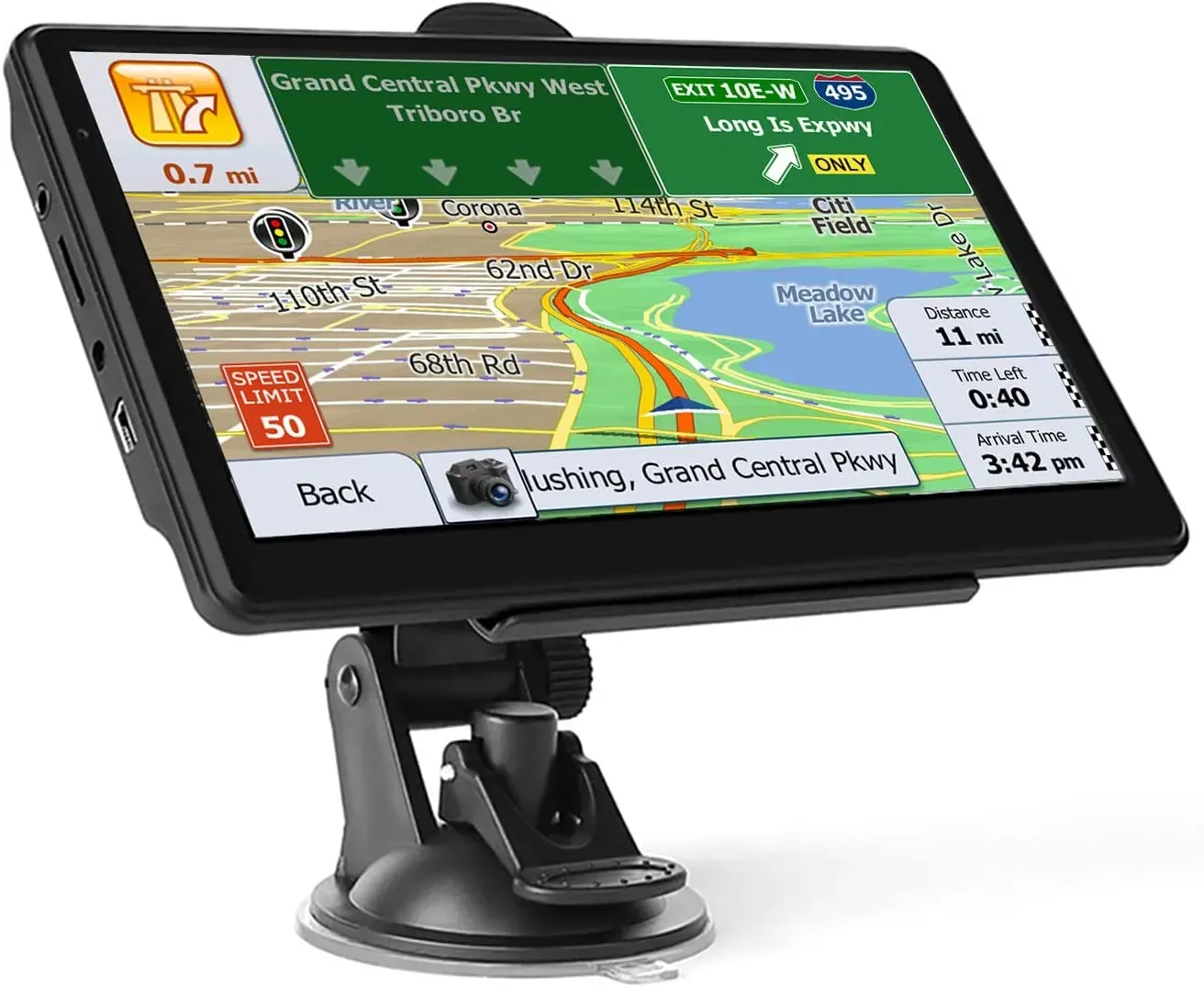
The best satnav for motorcycle use in the UK is a dedicated GPS unit that features an IPX7 waterproof rating, a glove-friendly touchscreen, and offline mapping that remains functional in remote areas without mobile signal. While many riders use smartphones, professional-grade devices like the Garmin Zumo or TomTom Rider series are widely considered the gold standard for British weather and road conditions.
TL;DR: If you are looking for the best satnav for your motorcycle, prioritise weatherproofing and vibration resistance. Based on our testing across UK A-roads and rural lanes, a dedicated unit outperforms a smartphone due to superior screen visibility in direct sunlight and more secure mounting systems. For riders who also manage larger vehicles, TruckNav recommends choosing a device with Lifetime UK Map updates to ensure you stay clear of recent road layout changes and low-emission zones.
Key Takeaways
- The best satnav for motorcycle use in the UK needs a glove-friendly screen, strong weather resistance, and routing that works on complex British roundabouts.
- Motorcyclists should look closely at waterproof ratings (IPX7), sunlight visibility, mount security, and live traffic coverage before buying.
- A standard car sat nav is not suitable on a bike; vibration, rain exposure, and rider safety make motorcycle-specific design essential.
- If you also drive larger vehicles, TruckNav’s wider approach to safer UK routing demonstrates why vehicle-aware navigation prevents stressful journeys.
- For riders who tour with trailers, related guides such as The Ultimate Guide to Caravan Satnav in the UK can help with multi-vehicle trip planning.
A missed turn on a motorcycle is more than an inconvenience. In heavy rain on the A49, on unfamiliar rural roads in Wales, or filtering through city traffic in Birmingham, the wrong route can quickly become tiring and unsafe. Consequently, choosing the best satnav for motorcycle riding is less about gadgets and more about maintaining confidence on the road.
For UK riders, the challenge is specific. Our roads mix fast motorways, tight village lanes, and coastal weather with patchy mobile signal. A phone can work for short hops; however, many riders still prefer a dedicated navigation unit because it is purpose-built for vibration and poor weather. Furthermore, the right device should reduce mental load without distracting you from the ride itself.
At TruckNav, our navigation philosophy is simple: navigate the UK with professional confidence. While we are known for helping HGVs and vans avoid narrow lanes, the same principle applies to bikers: smart routing saves time and makes travel more predictable. If your riding life overlaps with van support or towing kit, it is also worth reading The Ultimate Guide to Caravan Satnav in the UK.
Do I really need a dedicated motorcycle satnav?
The British road network demands high levels of concentration. One ride might include motorway miles on the M6, hedge-lined B-roads in Devon, and urban one-way systems in Manchester. A navigation system that is easy to read and quick to recalculate makes a real difference when conditions change suddenly.
There is also a critical safety angle. According to UK Department for Transport reported road casualty data, motorcyclists remain one of the highest-risk groups on UK roads relative to distance travelled. This does not mean a satnav alone prevents collisions; however, it does underline how important it is to minimise unnecessary distraction and last-second manoeuvres. Source: UK Department for Transport road safety statistics.
Based on our testing, a proper motorcycle satnav helps by presenting instructions clearly, staying visible in rain, and remaining fixed securely despite high-frequency engine vibration. These factors are easy to underestimate until you have tried using an ordinary dashboard unit strapped onto handlebars.
What features make the best satnav for motorcycle riders?
Weatherproof Design (IPX7 Rating)
The first requirement is obvious: it must cope with British weather. A unit designed for motorcycles should have a proper IPX7 waterproof rating. Long rides across Scotland or Yorkshire can involve hours of drizzle followed by direct sun; therefore, your device needs to handle both without fogging up or failing.
Screen Visibility in Sunlight
A bright screen matters more on a bike than in a car because you cannot simply shade it with your hand at speed. Look for anti-glare displays with high nit-brightness. If a screen washes out during midday riding, route guidance becomes unreliable at the exact moment you need clarity approaching complex roundabouts.
Glove-Friendly Controls
If you need to remove gloves just to alter a route, usability suffers. The best units feature large icons and "resistive" touchscreens that respond to pressure from thick touring gloves. In addition, some models include physical buttons for basic zooming and menu navigation.
Secure Mounting Against Vibration
Motorcycles produce sustained vibration that can damage internal components of standard electronics. A good satnav package includes a sturdy mounting system (like RAM mounts) that stays stable over rough surfaces. On uneven rural roads, this matters just as much as it does on long-distance motorway runs.
Reliable Routing Without Mobile Signal
Some riders rely on smartphone apps until they hit weak signal areas in Snowdonia or the Lake District. Dedicated satnavs store mapping locally; consequently, they continue working where mobile coverage drops out, ensuring you never lose your route in remote areas.
Audio Integration via Bluetooth
If you ride with a helmet headset, check whether the satnav supports Bluetooth audio. Spoken directions reduce "eyes-off-the-road" time and make riding smoother through busy interchanges like the M25/M4 junction.
Is a phone or satnav better for a motorcycle?
This is where many buyers hesitate. A phone already sits in your pocket and apps can be excellent. For occasional dry-weather day rides close to home, phone navigation may be sufficient. Yet, there are clear limits once you start doing regular mileage or touring.
Where Smartphones Work Well
- Short local journeys with familiar fallback routes.
- Urban riding where live traffic updates via Google or Waze are essential.
- Budget-conscious riders who already own a robust, vibration-damped mount.
Where Motorcycle Satnavs Usually Win
- Superior durability in heavy rain and freezing temperatures.
- Easier operation with winter or leather gloves.
- Screens designed specifically for outdoor readability.
- Preservation of your phone’s battery life for emergencies.
- Protection of phone camera sensors, which are known to be damaged by motorcycle handlebar vibrations.
Ultimately, if you regularly travel beyond familiar local routes or ride through all seasons, dedicated hardware tends to justify its cost through reliability and ease of use.
The Features UK Riders Should Prioritise
UK Mapping and Postcode Accuracy
A device sold internationally may still vary in how well it handles British addressing. Check whether full 7-digit UK postcode entry is supported. In Britain, this saves significant time because postcodes often get you closer to an exact destination than town-only searches ever will.
Live Traffic Information
If your riding includes commuting near major cities such as Leeds, Bristol, or Glasgow, live traffic is genuinely useful. While it will not solve every delay, it can help you avoid major motorway closures or bridge incidents before you get stuck in the queue.
Ready to upgrade your cab with TruckNav?
Shop Now — £176.76